Rain, Hills, and Brakes: Foothill Winter Driving Basics
Wet roads and steep streets in Foothill make stopping harder. Learn the basics of brakes and tires to keep your family safer this winter.
The Challenge of Winter Driving in Lake Forest
In Lake Forest, California, winter weather is mild compared to other parts of the country. Still, the seasonal rainstorms, cool mornings, and steep local roads create serious driving challenges. Roads that seem simple to navigate in dry conditions can become surprisingly dangerous when wet. This is especially true in areas with sudden elevation changes or sharp curves. That is why we recommend taking your brake and tire safety seriously as soon as the new year begins.
Foothill Auto Service has spent years helping local drivers get through every season safely. We understand the driving realities in Lake Forest, Portola Hills, Mission Viejo, and nearby communities. In this blog, we will walk you through how rain and hills affect your ability to stop, what to check on your brakes and tires, and how to prepare for winter with confidence.
If you want to reduce your stopping distance, protect your family, and keep your car ready for unexpected weather, this guide is for you.
How Rain Changes the Way Your Car Stops
The initial rainstorms of the year tend to be particularly hazardous. This is due to months of accumulated dust, oil, and grime on roads during the dry season. When it rains for the first time, this debris forms a slick layer that reduces traction and complicates safe stopping.
When a slick surface develops, your tires lose traction on the pavement. This forces your brakes to work harder to slow down your car. Unfortunately, many drivers underestimate the increased stopping time required on wet roads. Even a half-second delay can be the difference between narrowly avoiding an accident and colliding.
The situation worsens when considering the steep hills and winding roads common in many Lake Forest neighborhoods. Slowing down while descending or navigating a wet turn is significantly more challenging than stopping on flat, dry pavement. The risk escalates further if your brakes are worn or your tires lack tread.
Local Roads That Create Winter Driving Risks
Many Lake Forest drivers navigate challenging roads daily without much thought. Some common routes that become more hazardous in winter weather include:
Trabuco Road and Bake Parkway
These main roads carry heavy traffic through parts of Lake Forest with gentle elevation changes. Add rain to the mix, and stopping distances increase significantly.
El Toro Road
This busy thoroughfare has quick changes in traffic flow and steep driveway entrances. Slick pavement during morning rainstorms can lead to rear-end collisions.
Glenn Ranch Road and Portola Parkway
These routes include downhill slopes, traffic lights, and fast-moving cross traffic. Wet pavement makes it much harder to judge braking distance in these zones.
When rain reduces visibility, water pools in low areas, and drivers are unprepared for slippery conditions, the likelihood of accidents rises. Therefore, it's crucial to ensure your vehicle is in optimal condition during this season.
Why Brake Inspections Matter More in January
The new year offers a fresh start for your vehicle, just as it does for everything else. If your brakes performed well throughout the holidays without any problems, that's excellent news. However, if they were already making noise, feeling spongy, or causing vibrations in December, it's essential to address these issues in January.
Winter road conditions are harsh, and even mildly worn brake pads or uneven rotors can significantly reduce your tires' grip on slick asphalt.
Here are some signs that your brakes should be checked immediately:
- Squeaking or grinding noises when braking
- Vibration through the steering wheel or brake pedal
- Pulling to one side during stops
- Increased stopping distance or spongy pedal feel
- Dashboard brake warning lights
Brake wear can often occur gradually and without noticeable noise. You might not notice a problem until you need to make an abrupt stop on a wet hill, only to discover that your car isn't responding as it should.
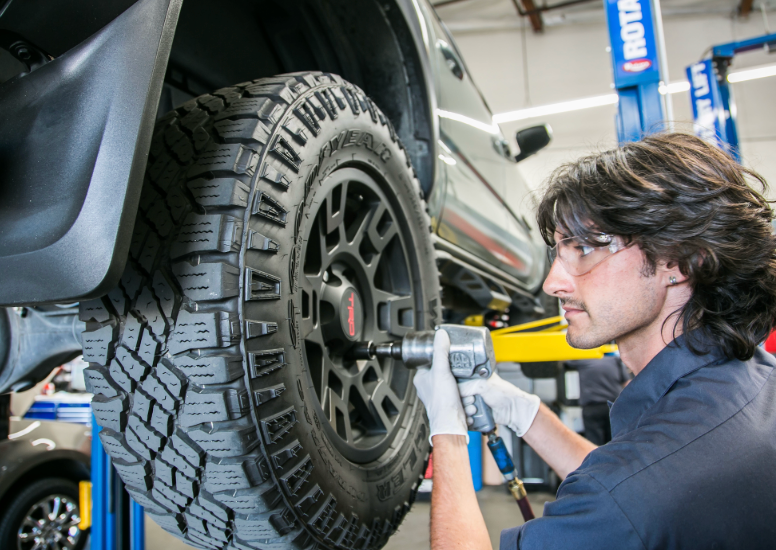
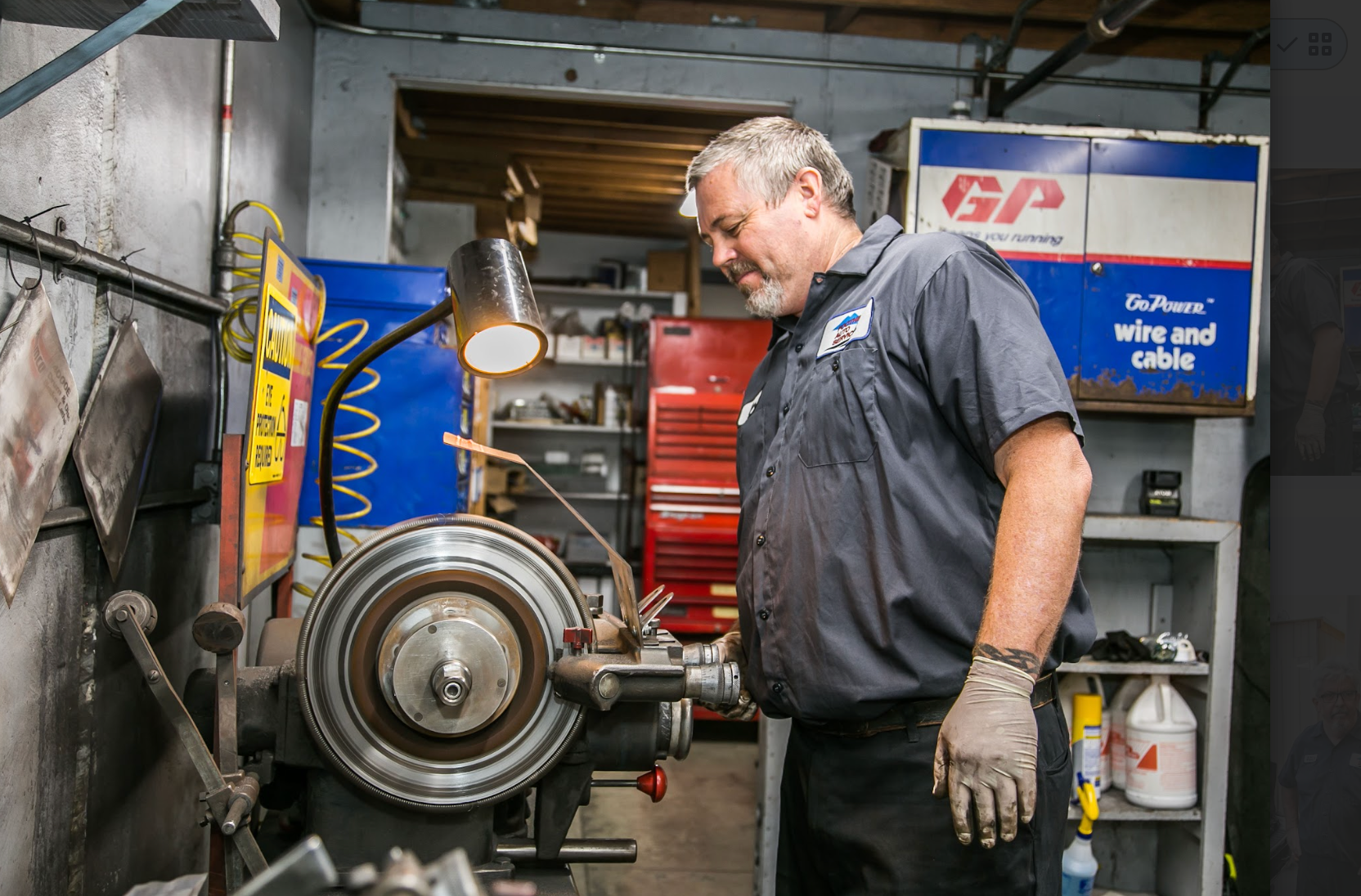
A winter brake inspection involves assessing pad thickness, inspecting rotors, checking fluid levels, evaluating caliper functionality, and ensuring optimal hydraulic system performance. Even if no significant maintenance is required afterward, you'll have peace of mind knowing your braking system is prepared for whatever challenges the season may present.
Tire Safety Is Half the Battle
Even the best brake system cannot function properly without good tires. In fact, your tires play just as important a role in stopping your car as your brake pads and rotors do.
Tire safety during winter rainstorms comes down to three key factors:
Tread Depth
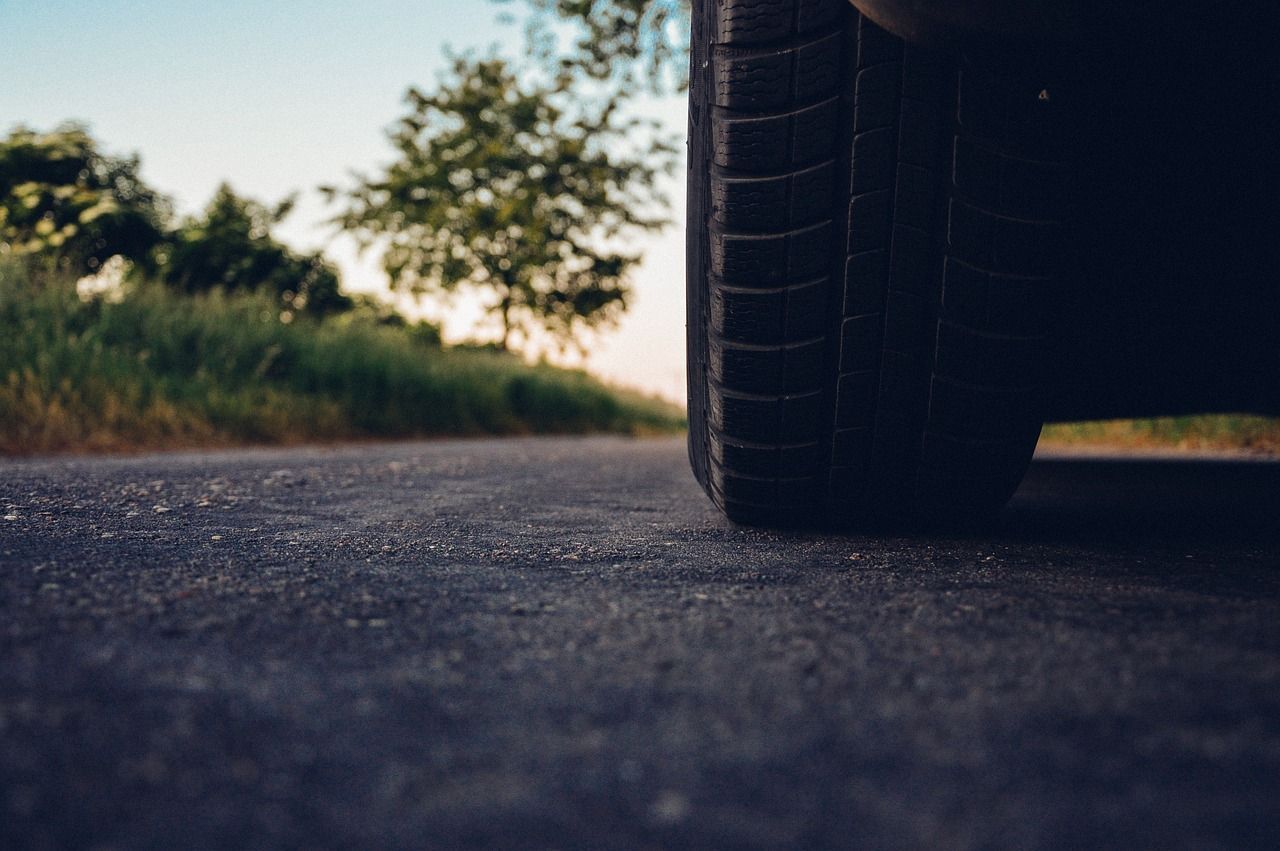
Tire tread is designed to direct water away from the surface it contacts. When the tread is shallow, there’s less grip and a higher chance of sliding or hydroplaning. If your tires' tread depth is below 4/32 of an inch, it's time to replace them.
Tire Pressure
During the winter months, cooler temperatures can cause tire pressure to drop. Underinflated tires can reduce traction, increase wear, and reduce braking performance. It's essential to check your tire pressure at least once a month and especially before long trips or driving in rainy conditions.
Tire Age and Wear Pattern
Even if your tires appear to be in good condition, their age is essential. Rubber deteriorates as time goes by. If your tires are more than 6 years old or exhibit uneven wear from previous alignment issues, they may not perform well in wet conditions.
A quick tire inspection can reveal whether your car is ready for the season or overdue for service.
The Relationship Between Tires, Brakes, and Suspension
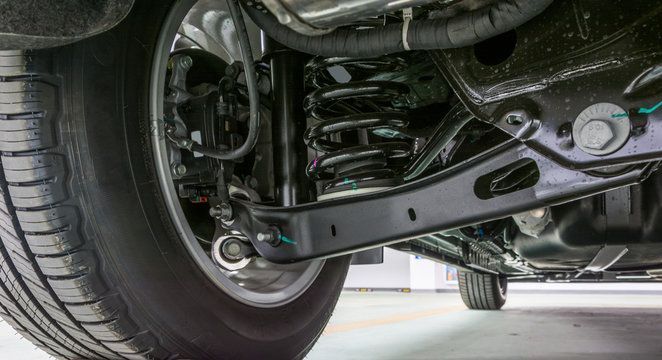
While brakes and tires often receive the most attention in winter driving, your suspension system is a crucial yet overlooked component. If your shocks or struts are worn, they won't keep your tires securely on the road. This can cause uneven tire wear, diminished control, and increased stopping distances.
Consider it this way: brakes generate the stopping force, tires transfer that force to the road surface, and suspension ensures the car's weight is balanced while keeping the tires firmly pressed against the pavement.
If any of those three components fails to function correctly, your ability to stop safely will be compromised. That's why we often recommend a suspension check during winter brake or tire service. This involves examining the bushings, struts, control arms, and sway bar links for signs of wear or damage.
Small Habits That Make a Big Difference
In addition to vehicle maintenance, driver behavior significantly impacts winter safety. Here are some simple habits that help you stay in control on rainy Lake Forest roads:
Slow Down Gradually
Give yourself more time to brake and increase your following distance by several car lengths. Braking hard is much more dangerous on wet roads.
Avoid Puddles When Possible
Large puddles can hide potholes or cause hydroplaning. Steer around them when safe to do so.
Brake Before Curves and Slopes
Apply the brakes while your car is still moving straight. Do not wait until you are halfway through a turn or partway down a hill.
Clear Your Windshield and Headlights
Good visibility is essential in the rain. Replace old wiper blades, clean foggy headlights, and keep washer fluid topped off.
Do Not Ignore Warning Lights
If your
ABS or brake light
comes on, get it checked immediately. These systems are crucial when roads are slick or unpredictable.
Start the Year with Confidence
Now is the perfect time to inspect your brakes, check your tires, and get your vehicle ready for safe driving. While January in Lake Forest might not mean snowstorms, it certainly brings plenty of rain, low traction, and daily driving challenges that demand reliable stopping power.
At Foothill Auto Service, we're dedicated to helping you tackle challenges before they arise. From a straightforward brake pad replacement and tire tread assessment to an extensive brake system inspection, we aim to ensure you understand your car's needs and the reasons behind them.
Visit Foothill Auto Service Today
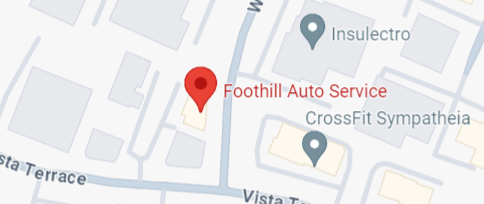
Getting regular car check-ups is a wise choice. It keeps your vehicle in good shape and gives you peace of mind. Visit us at 26911 Vista Terrace, Lake Forest, CA 92630. Contact us to schedule an appointment or book one online with our trusted team. With Foothill Auto Service caring for your car's needs, there will be no unexpected bumps on the road! We are committed professionals who care about keeping it running smoothly just as much as you do! Please schedule an appointment today by visiting 26911 Vista Terrace in Lake Forest, CA, or call us. We're eager to help and will wait patiently while scheduling occurs naturally through either route you choose.